Fit for a Brit

I believe British foods receive a bad rap. All that talk of bland, boring and boiled. Nonsense! Oh sure, the taste traditions of England don’t sport chiles and oregano, I’ll grant you that. But variety is truly the spice of this guy’s life. I like balance. So British classics definitely hold a place in high regard on my “favorite things to eat” list.

You’re not going to believe this, but Mom always prepared a British inspired meal on New Year’s Day. I know, what does a Brooklyn Italian woman know of such things? Well, she held that after the garlicky seafood dishes of Christmas Eve and the saucy lasagne of Christmas Day – not to mention the repeat of spicy seafood on New Year’s Eve – we needed a break. Relief, as she put it, from the gastronomic revelry and much consumed antacids associated with our Italian holiday repasts. She turned to the Brits.

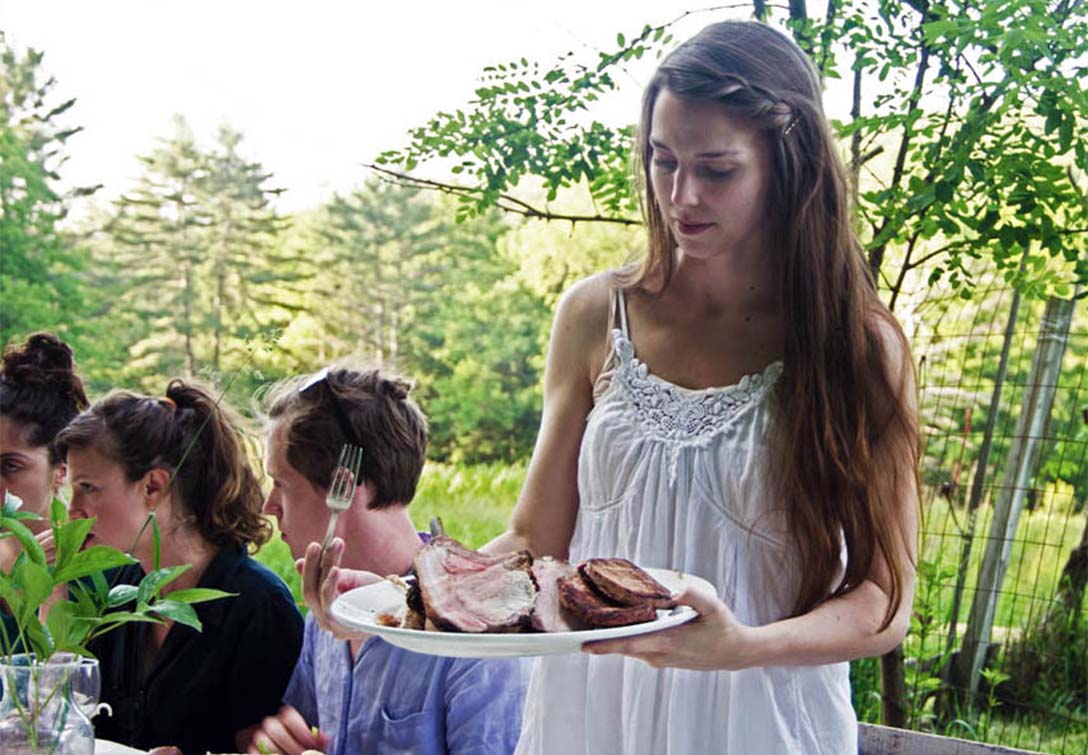
Mom began the meal with a consommé. Not necessarily British, but she felt it was a fine base. She then proceeded with a beautiful Beef Wellington. For those not familiar with this dish, it consists of a tender filet steak, coated in duxelles (chopped mushrooms and herbs, lightly sautéed) and then wrapped in a flaky puff pastry. To accompany the Beef Wellington, she treated us to a Yorkshire Pudding. A thin flour, egg, butter and milk batter was poured into a greased pan and then baked. She often added to the batter some of the drippings that remained in the pan after searing the beef fillet for the Wellington. Scrumptious. Buttered carrots, steamed broccoli and a fresh salad also adorned the table. A truly wonderful meal, and very British.


Mom had something there. So I took it a step further and began to incorporate British favorites in my culinary adventures all year long. For instance, Shepard’s Pie. This is a hearty casserole lined with cooked chopped beef or lamb and any choice of vegetables, which is then topped with buttery mashed potatoes and baked. I mean, how could you go wrong with that? Or Fish and Chips – battered cod that’s deep-fried until golden and served with steak-cut, french fried potatoes. I add a brown beer to the batter for authenticity. Of course, I never serve a tartar sauce alongside. I keep it traditional with a sprinkling of quality malt vinegar, just as the Brits have been doing for decades.

You must also try Bangers and Mash – or pan-seared sausages placed over mashed potatoes and ladled with onion gravy. Simple and savory! I’ve also been known to serve unsuspecting guests a hearty Steak and Kidney Pie. Yes…diced beef, kidney and onion cooked in brown gravy and covered in a nice crust. Try it. You won’t be disappointed. And every once in a while my breakfast buffet will include Kippers and Eggs. Don’t be alarmed. A kipper is simply herring that has been salted and cold smoked. A nice alternative to smoked salmon. Reminds me of the breakfasts served to estate guests in those old British mystery novels.

So you see, British food isn’t boring at all. Please purchase a good cookbook devoted to the topic – you’ll love the “High Tea” treats. And be sure to try Phyllis’ recipe for Beef Wellington below. It’s outstanding! Let us know how you like it. Until then, cheers!

Victor Ribaudo

Everything Old Is New Again: Beef Wellington

This dish goes back to the kitchen of Arthur Wellesley, the first Duke of Wellington, famous for having won the Battle of Waterloo in 1815 against Napoleon. This version was filled with a truffle paste instead of the mushroom duxelles used here and was wrapped in a standard pastry dough instead of puff pastry.

The dish made a resurgence in the 1960’s because former President Nixon was very fond of it. The White House served it at every state dinner during his tenure.

Today British chef Gordon Ramsey has made it a signature dish. It makes a very impressive entrée and is easier than it looks. Try it as an alternative to the Sunday roast or for a romantic dinner.

Ingredients (6-8 servings)

For duxelles:

1 ½ lbs. white button mushrooms

2 medium shallots, peeled and roughly chopped

3 large cloves of garlic, peeled and roughly chopped

2 sprigs of fresh thyme, leaves only

Kosher salt and freshly ground black pepper

For beef:

3 to 3 ½ lb. center cut beef tenderloin, trimmed

Extra-virgin olive oil

2 T Dijon mustard

12 thin slices Parma ham (or prosciutto)

1 lb. puff pastry*

2 eggs (beaten for egg wash)

Directions

1. Heat oven to 425 degrees.

2. In a food processor, pulse the mushrooms, shallots, garlic and thyme until finely minced. Sauté in a dry non-stick skillet until the mushrooms give up most of their liquid, about 8 to 10 minutes. Season with salt and pepper. Set aside.

3. Pat dry the beef tenderloin and tie in 4 places with butcher’s twine to hold together in the cooking. Drizzle with olive oil. Salt and pepper generously.

4. Coat a heavy-based skillet with oil and sear meat over medium high heat on all sides including the ends.

5. Remove from skillet, cut twine and smear all over with Dijon mustard. Season with salt and pepper and set aside to cool.

6. Lay out an 18-inch length of plastic wrap and shingle 12 pieces of Parma, slightly overlapping forming a rectangle that will completely cover the tenderloin.

7. Using a rubber spatula, smear the duxelles over the completely cooled tenderloin and then wrap it in the Parma. This layer shields the pastry from moisture, keeping it light and crisp. Twist the ends of the plastic wrap tightly to hold the tenderloin in a log shape. Refrigerate for 30 minutes.

8. Heat a rimmed baking sheet in oven.

9. Prepare the puff pastry by rolling it out on a lightly floured surface to form a rectangle long enough to envelop the tenderloin and wide enough to fold over the ends. Trim any excess.

10. Seal edges with egg wash and tuck under enclosing the tenderloin completely like a package. Puff pastry often comes in two sheets. Just slightly over lap them. Brush top and sides with egg wash.

11. Using the tip of a paring knife, cut a few slashes across top to allow steam to escape** or make a series of parallel cuts on an angle about an inch apart to provide an attractive result after the baking. Sprinkle with coarse salt, if desired.

12. Place the tenderloin seam side down on the hot baking sheet and roast in upper third of oven for about 45 minutes until an instant read thermometer registers 125 degrees. Let rest for 10 minutes before carving into thick slices.

*I prefer Dufour all butter frozen puff pastry. You can find it in food specialty stores. Thaw out in the refrigerator overnight before rolling out.

** You can also cut decorative shapes out of any excess pastry to decorate top. Brush egg wash on these.

(Recipe inspired by Gordon Ramsey)

Photographer Bill Brady

Written by Victor Ribaudo

Recipe Provided by Phyllis

Kirigin, aka sweetpaprika

Food Stylist Brian Preston Campbell

Blog syndicated at the datingsymbol.com

Posted in Food Articles, Food Styling, Recipes | Tagged , , , , , , , , | Leave a comment

Chocolate Reveries

Some of my fondest gastronomic memories involve chocolate. I’d venture to guess that I’m not alone here. What is it about chocolate that causes our hearts to skip a beat when it’s presented to us in its many sumptuous forms? Nay…even the thought of chocolate for some can trigger and inner longing that may lead to heady, euphoric ecstasy – causing faintness of breath! OK, maybe I exaggerate, as I am wont to do. (After all, I am Italian. It’s genetic.) The point is chocolate to most of us is a luxury we cannot do without. I’m in that league.

When I was a child, my grandmother often made me chocolate sandwiches. Yes, you read correctly. She’d take crusty Italian bread, toast it in the oven, and then sandwich a chocolate bar in between the slices. She’d press it with her hands, and the heat from the toasted bread sufficiently softened the chocolate bar to a silky consistency. I was in heaven. And I wanted more of it. She also prepared something called cuccia for me on St. Lucy’s Day (December 13th). This was a pudding made from cooked wheat berries, milk, candied fruit and chocolate. Oh yes, it was as good as it sounds. There were usually lots of wheat berries left over. These were served to me the rest of the week for breakfast, swimming in warm chocolate milk. Beats cold cereal any day. Of course, I was often treated to the chocolate candies, cakes and brownies every kid begs for at the supermarket. What can I say…they spoiled me!

At Easter…well, is there anything more heartwarming than a chocolate bunny? My Mom procured the best, of course, from a chocolatier shoppe on 86th Street in Brooklyn. The ears were solid, and so they were my preference. And let’s not forget the chocolate drives at school. My aunts and uncles would buy boxes of those bars from me, only to hand them right back for my sister and I to enjoy. I especially loved the smell that wafted from the boxes as I opened them. Those bars of chocolate were ridiculously delicious – melt-in-your-mouth velvetiness and studded with tons of roasted almonds to boot. Amazing!

So you see, I was predestined to love chocolate. Naturally, as my culinary tastes grew more sophisticated, I searched for even more heightened chocolate experiences. Not hard to find. Every fine restaurant has at least two chocolate creations on the dessert menu. My first foray into that world began with chocolate mousse. (Please check out Phyllis’ recipe below. It’s outstanding.) Then I was enamored by the molten chocolate cake. Who could resist that hot chocolate lava oozing from a petite cake. Looks innocent until your fork breaks the crust. Then watch out! Black Forest Cake also became an uncontrollable passion for me. After all, chocolate and cherries were destined to fall in love.

And so it goes. Double, triple, quadruple chocolate cakes and pastries…love them all. Hot or cold chocolate puddings…bring them on. Chocolate covered donuts…hot fudge sundaes…chocolate chip cookies…chocolate dipped strawberries…chocolate liqueurs. Can’t get enough of them. Extravagant? By all means. I mean, we must live to eat. That’s my motto.

Want someone to fall in love with you? Bake something chocolaty for them. If the recipe calls for hard baker’s chocolate, be sure to melt it in a double boiler. Easy. Just place a mixing bowl over simmering water, and stir continuously until the desired consistency is achieved. Then you’re good to go with whatever recipe you have on hand. Watch out though; it’s intoxicating. The person you serve it to might take this as a proposal of marriage. The rest is up to you.

Victor Ribaudo

Chocoholic Heaven: Chocolate Mousse
Is there a more Romantic dessert than chocolate mousse? Simple, yet elegant. The quintessence of velvety richness. Topped perhaps with a dollop of freshly whipped cream and a few chocolate shavings. However, it can certainly stand on its own. Many identify Julia Child’s chocolate mousse as the classic version and true, it has a unique mouthfeel that is airy, almost foamy. However, it uses eggs that are never cooked and, even though there is only a tiny chance of salmonella, I prefer a safer version that is rich and velvety.
There are just a few ingredients so the quality of the chocolate plays an important role in the outcome. Also, I suggest a bittersweet or semisweet chocolate containing between 50 and 60% cacao. A higher percentage will produce a drier result. Be sure to serve the mousse in pretty dessert goblets. And ladies, if you have ever doubted that the way to a man’s heart is through his stomach, you’ve never served him chocolate mousse.
Ingredients (8 servings)
2 cups heavy cream
4 yolks from large eggs
3 T superfine sugar
1 t pure vanilla extract
7 oz. bittersweet chocolate, melted
Directions
1. In a small saucepan heat 2/3 cup cream just until it starts to steam.
2. Whisk together egg yolks and sugar in a separate bowl.
3. Slowly add half of the hot cream to the egg yolk mixture until thoroughly combined.
4. Add the warm egg-cream back into the hot cream in the saucepan and cook over low heat, stirring constantly until the mixture reaches 165 on a digital thermometer.
5. Off heat, stir in the vanilla and melted chocolate.
6. Chill thoroughly.
7. Whip remaining 1 1/3 cups cream in a separate bowl until stiff peaks form.
8. Stir about 1/3 of the whipped cream into the chocolate custard and then gently fold in the remainder until no streaks appear. Serve chilled.
(Adapted from a recipe by Rebecca Franklin)

Photographer Bill Brady

Written by Victor Ribaudo

Recipe Provided by Phyllis Kirigin, aka sweetpaprika

Food Stylist Brian Preston Campbell except for chocolate mousse cake and chocolate mousse

Blog syndicated at the datingsymbol.com

Posted in Food Articles, Food Photography, Recipes | Tagged , , , , , , , , , , , , , , , , , | 8 Comments

Made it onto foodpress again.

Posted in Food Photography | 1 Comment

The Mexican You Thought You Knew

Mexican food always tasted the same to me. I was bored with it. Then I visited Mexico several times and was introduced to authentic Mexican cuisine – a far cry from the fare offered at stateside burrito and taco establishments. I fell in love with it. But vacations do end and once again I’d be faced with Americanized versions of a cuisine that I eventually gave up on. That is until I stepped into Jalapeño restaurant in New York City. That was an aha moment for me. A rediscovery of the taste traditions of a Mexico I had explored several years ago and with which I became so enamored. What a joy!

What I love about Jalapeño is the total attention to detail. Oh, not just the service and the plating, which are exquisite. I’m talking about the authenticity of the food. Each and every dish is based on the chef’s family recipes – her grandmother’s to be precise. And you can taste it in such diverse classics as Pulpo a la Plancha, a sautéed octopus and house-made chorizo appetizer in a delicate wine sauce. Or Camerones de Mojo de Ajo, a generous entrée of jumbo shrimp in a gorgeous garlic sauce that’s served with white rice and a grilled plantain. Delectable, I tell you! Or if you’re really feeling adventurous, you can pre-order a marinated suckling pig roasted to sheer perfection. Very impressive. They even elevate the Chile Relleno, one of my favorites, to a new level of culinary art. Imagine a plump, grilled poblano pepper filled with fresh Mexican cheese, calabacita ragu, mushrooms and pumpkin seeds and placed over a savory tomato sauce. Not what you’re used to, right?

Now, I know what you’re thinking: “Why are you tempting me? I can’t visit Jalapeño because I don’t live in New York.” Well, true Mexican cuisine is not a mystery to prepare at home. You can do it easily. It all starts with an authentic recipe. I asked Phyllis Kirigan and of course she was more than happy to oblige. Check out her Cochinita Pibil – or slow roasted Yucatecan Pork – below, and you’ll see what genuine Mexican cuisine is all about. I like her succulent pork in a sandwich, but you’ll find lots of ways to enjoy this unforgettable dish.

Like so many successful culinary endeavors, it’s all in the ingredients. Start out with the freshest and your recipes are half way there. When it comes to Mexican, one is bombarded with shelf after shelf of jarred sauces and pre-made offerings in supermarkets. Buyers beware! They’re not always what I would call bona fide Mexican. And as Phyllis has said to me countless times, “Why waste your money on that packaged stuff when you can easily prepare the real thing with fresh ingredients for less?” She’s right. The end result is always better. You can find so many of the components that make Mexican what it should be in your supermarket or at local Latino markets. Fresh chiles, avocados, tomatoes, plantains, cactus – it’s all there. Dried goods such as beans, rice, pumpkin seeds, spices and unsweetened cocoa are also easy to locate. Or you can always procure your ingredients online.

So the next time you’re thinking about a quick stop at a roadside joint for fast food Mexican, think again. Get yourself a good Mexican recipe, pick up some fresh ingredients, and have a fiesta at home. Or if you’re in New York, check out Jalapeño restaurant . It’s located two blocks from my apartment. Give me a day or two advanced notice, and I’ll meet you there. Buen provecho!

Victor Ribaudo

Cochinita Pibil—Slow-Roasted Yucatecan Pork

Diana Kennedy, whose mission for the last 45 years has been the documentation and preservation of regional Mexican cuisine, observes, “It gets to the point where, once you’ve tasted it, you can’t do without Mexican food. You hunger for it.” I agree.

I had the good fortune of studying with her at Peter Kump’s Cooking School in NYC, now the Institute for Culinary Education. At 87 years of age, she is still living in a remote area of Mexico, hauling dried corn in her rattling truck across the miles to grind into her own savory tortillas. Her most comprehensive book Oaxaca al Gusto was published in September, 2010.

Cochinita Pibil refers to the famous little pig cooked in a pib, the traditional oven of Yucatan, a pit lined with stones. Fortunately, a vibrant version can be made in your own oven. Cochinita Pibil can be served hot with salsa (recipe below) and tortillas, as a taco filling, in sandwiches, panuchos and any preparation calling for flavorful shredded pork. You need to start this recipe a day in advance, but it is well worth the effort.

Ingredients

1 T annatto seeds

¼ t oregano

12 peppercorns

3 whole allspice

1/4 t toasted cumin seeds

1/8 t hot paprika

3 cloves garlic, peeled

¼ cup Seville orange juice*

¼ cup quality tequila, such as Patron

1 T salt

3 ½ to 4 ½ lb. pork loin roast

2 large pieces of banana leaf**

Directions

Grind the first 6 ingredients in a coffee grinder (used only for spices) to as fine a powder as possible. Puree in a blender or food processor the garlic, orange juice, tequila and salt. Add the powdered mixture and blend to a smooth paste. Score the meat all over and rub the paste over the meat.

If necessary, render the banana leaves more flexible either by passing them over a bare flame or placing them briefly in hot water. Pat dry. Wrap the meat in them and refrigerate for at least 6 hours or overnight.

Place a rack in the bottom of a Dutch oven and set the wrapped pork on it. Add ½ cup water and cover the pot with a tight fitting lid. Cook in a 350 degree oven for 2 ½ hours. Baste the meat with juices from the bottom of the pot. Continue cooking for another 2 ½ hours until meat is falling apart.

Shred the meat and pour the juices from the pot over it.

*Seville oranges or bitter oranges are not easy to find but can be mail ordered. A near match for ½ cup is a blend of 1 t finely grated grapefruit rind, 3 T orange juice, 3 T grapefruit juice and 2 T lemon juice. Rice wine vinegar is a good choice for a substitute.

**Fresh banana leaves can be found in the Latin American markets of many cities. They can also be found frozen. They lend a mildly aromatic flavor to the pork.

Salsa

½ cup finely chopped onion

3 chiles cayenne (or 3 chiles habaneros, seeds and ribs removed, if you can take the heat), finely minced

½ t salt

2/3 cup Seville orange juice*

Mix ingredients together and serve separately to sprinkle on shredded pork.

Inspired by Diana Kennedy and Roberto Rodriguez, Cooking classes

Photographer Bill Brady

Written by Victor Ribaudo

Recipe Provided by Phyllis Kirigin, aka sweetpaprika

Blog syndicated at the datingsymbol.com

Posted in Food Articles, Food Photography, Recipes | Tagged , , , , , , , , , , , | 2 Comments

Series: Still life with Gauze

Posted in Food Photography | Tagged , , , , , , , | Leave a comment

Salad Days Are Here Again…

Salad Days Are Here Again…

I’ve had a great time these last few months. I mean, I really love the Holidays. So many of my favorite foods – in such quantities – with ample time to take it all in. And January, well, it’s heavy football season. The scrumptious snacks and easy access finger foods abound. I must admit, though, that I’ve put on a few pounds since November. I always do. So while most are making diet resolutions on New Year’s Day, I wait until the Big Game Day is over. Then I take stock of the situation. What can I do to eat more balanced meals? I’m not a “diet” kind of guy; however, I do try to offset weekend splurges with some modicum of weekday sanity. That’s when I turn to salads.

The salad is a wonderful thing. It offers lots of roughage and nutrition, can be very filling yet lighter in calories, and often serves as an extremely versatile kind of entrée. Yes, the basic lettuce, tomato and some sort of dressing can get old fast. But who needs to stop there? Like so many an adaptable dish, the salad can be built upon in numberless ways to become a fully satisfying meal. That makes it multitalented in my book.

When contemplating a salad entrée, I like to begin with a variety of greens. I’m not much of an Iceberg fan, so I usually end up with some combination of crisp Romaine hearts, tender Butter lettuce, fanciful Mesclun and a touch of Arugula for a spicy note. To that I’m wont to include some fresh veggies. Carrots, celery, tomatoes, radishes, white mushrooms, olives and red onions are almost always present. Lots of fresh basil and Italian flat leaf parsley as well. When vegetables such as asparagus, broccoli, cauliflower and the like are in my recipe, I blanch them first. That’s just my taste. I’m not big on crudités as a rule.

The most obvious way to enhance a wholesome salad meal is to adorn it with low fat protein. Grilled chicken breast, lean beef and salmon or tuna…all notable, healthful additions. Of course, we’re grilling here, so besides a flavorful marinade, there’s not much fat going on. Beans are also a nice means of adding good for you protein to salads. So are low fat cheeses. I particularly like a sharp feta or mellow mozzarella. I stay away from the yellow-orange cheeses. They sort of melt in the dressings. Not for me!

As for dressings, you’re only limited to your imagination. Balsamic vinaigrettes always work. I use plenty of fresh basil here. Sometimes I opt for a simple whisking of lemon and oil, perhaps with a touch of oregano. Oh, of course I adore the creamy varieties. But we’re taking a lighter approach now. If your heart is set on a creamy dressing, look for recipes that use lower fat ingredients, such as low fat buttermilk or sour cream, as well as a light mayo. If you opt for jarred, check the ingredients. Low fat dressings usually contain more sugar. That defeats the purpose.


When putting my salad together, I sometimes prefer the proteins to be warm, right off the grill. This is especially so when I’m doing an Asian beef salad. The greens become slightly wilted, but in a good way. Something about it that turns by my taste buds on. Warm dressings achieve the same effect. Try it sometime.

I should note here that not all my salad favorites contain lettuce greens. I’m nuts for bean salads. As an Italian, I also grew up with tomato salad as a staple. Mom took garden ripe tomatoes, sliced them and some fresh red onion, added fresh basil and tossed with extra virgin olive oil. That was it. But believe me, nothing beat it.

I’m not suggesting a salad for every meal, of course. Variety is the spice of life, as they say. I’m talking balance. A delectable salad entrée at least two nights a week, along with thoughtful intake of calories the rest of the week, can help take the edge off your appetite for heavier foods. And it won’t hurt a bit, I promise.

Victor Ribaudo

Salad Days: It’s All in the Dressing


The variety of ingredients for a fresh mixed salad is endless. Just select your favorite greens, peppers, toasted nuts, mushrooms, chickpeas, olives, shards of Parmigiano-Reggiano, seasonal ingredients like blood oranges and tomatoes. Oh, and don’t forget some homemade toasted croutons. As I said, you can go on and on. That said, let’s focus on what will make or break your salad–the dressing.

Offering as much variety as the salad itself is a velvety vinaigrette dressing that you make yourself.

Basic Vinaigrette Dressing (for 6 to 7 cups of salad)

Ingredients

1 clove garlic

1 medium shallot

1 teaspoon Dijon mustard

1 tablespoon of a good wine vinegar*

2 tablespoons good extra virgin olive oil

2 tablespoons peanut oil**

Salt and freshly ground pepper

Directions

Finely mince garlic and place in a bowl. Chop shallot into a small dice and add. Stir in mustard and vinegar. Slowly whisk in the two oils until a creamy emulsion is attained. Whisk in salt and pepper to taste.

* My favorite is Badia a Coltibuono, a light and piquant Italian red wine vinegar; Champagne vinegar also works well. Fresh lemon juice in place of the vinegar provides a fresh tart flavor. You might find balsamic vinegar a tad overpowering for this dressing.

**Peanut oil or canola oil mellows the rich olive oil and allows the other flavors to come through.

The dressing can be enlivened with herbs to suite your taste, fresh or dried. Remember 1 teaspoon of a dried herb equals 1 tablespoon of the fresh. Tarragon, with its faint licorice flavor, is one of my favorites. You might consider basil, oregano, savory, chervil, marjoram or a combination.

Be careful not to overdress your salad. The dressing should just lightly coat the ingredients. Toss just before serving.

Photographer Bill Brady

Written by Victor Ribaudo

Recipe Provided by Phyllis

Kirigin, aka sweetpaprika

Food Stylist Brian

Preston Campbell

Blog syndicated at the datingsymbol.com

Posted in Food Articles, Food Photography, Recipes | Tagged , , , , , , , , , , , , , , , , , , , , , , , , , | 8 Comments

Heat Magazine

Download now or preview on posterous

heat_0111_1011.pdf (1512 KB)

Download now or preview on posterous

heat_0111_0809.pdf (2475 KB)

Download now or preview on posterous

heat_0111_1213.pdf (2057 KB)

Download now or preview on posterous

heat_0111_1415.pdf (1004 KB)

Posted in Food Photography | Leave a comment

Do Buffalo Have Wings?

Whenever my Mom roasted a chicken, she would save the wings for me. They’ve always been my favorite part of the bird. I just love the way the skin gets extra crispy on a wing. And I adore a challenge – so getting at the meat is especially satisfying for me. I guess you can imagine, then, that a whole plateful of chicken wings is right up my alley. But I’m not talking about my Mom’s roasted wings here. Of course, I refer to Buffalo-style Wings. When I’m around them, they fly right off the plate fast and furiously.

This is the season when “wings” come into their own. Oh, we enjoy them all year round as bar food, appetizers and even as snacks. But there’s something about a good football game, especially the “Big One,” that insists on buckets-full of hot wings and cold beer. I’m fairly flexible when it comes to my wings. I’ll take them just about any way you offer them to me – drummies or flats – especially when you’re doing the cooking. As a certified foodie, though, I do have my preferences.

Standard Buffalo-style Wings are deep-fried, unbreaded. I know, fried foods for some are a no-no. But there’s just no getting around that. After a crispy run in the fryer, the wings are tossed in a mixture that almost always consists of melted butter and a vinegar based hot sauce. Really simple. Accompaniments, as you know, are usually comprised of icy cold celery sticks and a creamy blue cheese dressing. This balances the spiciness of the sauce.

Now, that’s the basic recipe. I like it a lot. From there, though, you can really allow your imagination to run – or fly, since we’re talking wings – rampant. And that usually peaks my interest when food is concerned. I’ve been known to fry, toss in sauce, and then fry again. I end with another coating in sauce. This produces a more intense flavor and extra crispness that I really enjoy. Some of my friends like to dust the wings with flour before frying. They claim that it helps the sauce adhere much better. OK by me. A little flour never hurt anyone. Others will marinate the wings in buttermilk with a few drops of hot sauce. They then proceed to coat the wings in breadcrumb before frying. When all is crunchy and done, the wings take a tumble in the sauce. I have to admit, I like this one a lot. The texture of the breadcrumb coating adds another dimension to the wings, and the sauce holds fast to it.

No one says you have to stick with a vinegar based hot sauce here. You really can go with anything you like, especially when it’s nice and spicy. Asian inspired sauces are particularly adaptable to wings. Usually soy sauce based, I’ve tasted everything from fresh ginger to Five Spice to Szechuan chili pepper in these versions. With extra sauce for dipping, they’re mighty good. Or you can go with Tex Mex inspired ingredients, including chili powder and lots of heat from Serrano or jalapeno peppers. The hotter the better for me. You can even add a little sweetness to your sauce by including some honey in the mix. I’ve tried that with a spicy mustard sauce. A nice contrast.

Before I head off, I should mention that my cousin likes to bake her wings. Says it satisfies both her tastes and her sensibilities. They’re actually quite good. Lots of marinating and basting ensures concentration of flavor. Keep an eye on them, though. You want just the right doneness. Offer a good dipping sauce and everyone will enjoy.

The game is just about to start. I’ve got my bowl of wings, an icy beer, and my honey sitting right next to me. I ask you…what could be better?

Victor Ribaudo

Buffalo Hot Wings; An American Classic

Hot wings are very likely the pinnacle of snack food, whether you’re watching the Super Bowl game, enjoying a cold beer at the local bar or just feeling hungry for a spicy snack. You’ll find hundreds of versions, baked, grilled, shallow fried, breaded, not breaded, but the people at the Anchor Bar in Buffalo, NY, where hot wings originated, will tell you that the only true hot wing is deep fried. The legend is that back in 1964, Teressa Bellisimo received a shipment of chicken wings by mistake and developed a method of serving them. “These are just too nice to toss in the stock pot,” she mused. And voila! The birth of Buffalo Chicken Wings. The Anchor Bar has been serving them ever since. Many claim they’re the best wings anywhere.
So what is it that makes you crave a big batch of these spicy morsels? Some would say it’s all in the sauce; true, but the quality and handling of the wings is also key. You want fresh, large, meaty wings, preferably from a poultry dealer. If you don’t have access to one, buy a top quality brand. Rinse them in cold water, pat dry and cut them at the two joints, discarding the wing tips or saving them for stock.
Place them on a rack on a pan and refrigerate them overnight. Drying them out under refrigeration will make them much crispier, once deep fried. In a deep fryer or a 5 or 6 quart heavy pot with a thermometer, pour the oil. Heat the oil slowly to 365 degrees. Depending on their size, deep fry the dry wings from 6 to 10 minutes in small batches. Place on paper towels to drain off excess oil. Hold them in a warm oven as you go along. Be sure to return heat to 365 degrees between batches.
Toss the wings in just enough hot sauce to coat them. A “suicidal” version calls for 1 part Tabasco sauce to 4 parts of the hot sauce. Place in a large bowl and serve along with blue cheese sauce and celery sticks. Lots of napkins will be useful.
Ingredients
3 lbs chicken wings
Peanut oil for deep frying

Hot Sauce
1 stick sweet butter
1 bottle (12 oz.) Louisiana Hot Sauce*
1 T cider vinegar
1/8 t garlic powder
Salt and pepper to taste
In a saucepan, melt butter. Stir in remaining ingredients.

Blue Cheese Sauce
1 cup plain yogurt
1/2 cup crumbled blue cheese
2 T finely grated red onion
Salt and freshly ground black pepper
Mix together and refrigerate for at least 30 minutes for the flavors to meld.

Celery sticks
4 celery ribs cut into thin sticks. Soak celery in a bowl of ice and cold water for at least a half hour and up to 1 hour.

*Franks Red Hot Sauce and Wingers Original are popular.

Buffalo Hot Wings; An American Classic
Hot wings are very likely the pinnacle of snack food, whether you’re watching the Super Bowl game, enjoying a cold beer at the local bar or just feeling hungry for a spicy snack. You’ll find hundreds of versions, baked, grilled, shallow fried, breaded, not breaded, but the people at the Anchor Bar in Buffalo, NY, where hot wings originated, will tell you that the only true hot wing is deep fried. The legend is that back in 1964, Teressa Bellisimo received a shipment of chicken wings by mistake and developed a method of serving them. “These are just too nice to toss in the stock pot,” she mused. And voila! The birth of Buffalo Chicken Wings. The Anchor Bar has been serving them ever since. Many claim they’re the best wings anywhere.
So what is it that makes you crave a big batch of these spicy morsels? Some would say it’s all in the sauce; true, but the quality and handling of the wings is also key. You want fresh, large, meaty wings, preferably from a poultry dealer. If you don’t have access to one, buy a top quality brand. Rinse them in cold water, pat dry and cut them at the two joints, discarding the wing tips or saving them for stock.
Place them on a rack on a pan and refrigerate them overnight. Drying them out under refrigeration will make them much crispier, once deep fried. In a deep fryer or a 5 or 6 quart heavy pot with a thermometer, pour the oil. Heat the oil slowly to 365 degrees. Depending on their size, deep fry the dry wings from 6 to 10 minutes in small batches. Place on paper towels to drain off excess oil. Hold them in a warm oven as you go along. Be sure to return heat to 365 degrees between batches.
Toss the wings in just enough hot sauce to coat them. A “suicidal” version calls for 1 part Tabasco sauce to 4 parts of the hot sauce. Place in a large bowl and serve along with blue cheese sauce and celery sticks. Lots of napkins will be useful.
Ingredients
3 lbs chicken wings
Peanut oil for deep frying

Hot Sauce
1 stick sweet butter
1 bottle (12 oz.) Louisiana Hot Sauce*
1 T cider vinegar
1/8 t garlic powder
Salt and pepper to taste
In a saucepan, melt butter. Stir in remaining ingredients.

Blue Cheese Sauce
1 cup plain yogurt
1/2 cup crumbled blue cheese
2 T finely grated red onion
Salt and freshly ground black pepper
Mix together and refrigerate for at least 30 minutes for the flavors to meld.

Celery sticks
4 celery ribs cut into thin sticks. Soak celery in a bowl of ice and cold water for at least a half hour and up to 1 hour.

*Franks Red Hot Sauce and Wingers Original are popular.

Buffalo Hot Wings; An American Classic
Hot wings are very likely the pinnacle of snack food, whether you’re watching the Super Bowl game, enjoying a cold beer at the local bar or just feeling hungry for a spicy snack. You’ll find hundreds of versions, baked, grilled, shallow fried, breaded, not breaded, but the people at the Anchor Bar in Buffalo, NY, where hot wings originated, will tell you that the only true hot wing is deep fried. The legend is that back in 1964, Teressa Bellisimo received a shipment of chicken wings by mistake and developed a method of serving them. “These are just too nice to toss in the stock pot,” she mused. And voila! The birth of Buffalo Chicken Wings. The Anchor Bar has been serving them ever since. Many claim they’re the best wings anywhere.
So what is it that makes you crave a big batch of these spicy morsels? Some would say it’s all in the sauce; true, but the quality and handling of the wings is also key. You want fresh, large, meaty wings, preferably from a poultry dealer. If you don’t have access to one, buy a top quality brand. Rinse them in cold water, pat dry and cut them at the two joints, discarding the wing tips or saving them for stock.
Place them on a rack on a pan and refrigerate them overnight. Drying them out under refrigeration will make them much crispier, once deep fried. In a deep fryer or a 5 or 6 quart heavy pot with a thermometer, pour the oil. Heat the oil slowly to 365 degrees. Depending on their size, deep fry the dry wings from 6 to 10 minutes in small batches. Place on paper towels to drain off excess oil. Hold them in a warm oven as you go along. Be sure to return heat to 365 degrees between batches.
Toss the wings in just enough hot sauce to coat them. A “suicidal” version calls for 1 part Tabasco sauce to 4 parts of the hot sauce. Place in a large bowl and serve along with blue cheese sauce and celery sticks. Lots of napkins will be useful.
Ingredients
3 lbs chicken wings
Peanut oil for deep frying

Hot Sauce
1 stick sweet butter
1 bottle (12 oz.) Louisiana Hot Sauce*
1 T cider vinegar
1/8 t garlic powder
Salt and pepper to taste
In a saucepan, melt butter. Stir in remaining ingredients.

Blue Cheese Sauce
1 cup plain yogurt
1/2 cup crumbled blue cheese
2 T finely grated red onion
Salt and freshly ground black pepper
Mix together and refrigerate for at least 30 minutes for the flavors to meld.

Celery sticks
4 celery ribs cut into thin sticks. Soak celery in a bowl of ice and cold water for at least a half hour and up to 1 hour.

*Franks Red Hot Sauce and Wingers Original are popular.

Photographer Bill Brady
Written by Victor Ribaudo
Recipe Provided by Phyllis
Kirigin, aka sweetpaprika

Food Stylist Brian
Preston Campbell

Blog syndicated at the datingsymbol.com
.

Posted in Food Articles, Food Photography, Recipes | Tagged , , , , , , , , , , , , , , , , | 4 Comments

Chili Melts the Chill

How many different chili recipes have you encountered in your food journeys? If you’re anything like me, then the number is staggering. I mean, almost everyone I know has his or her own proprietary version of this comfort food classic. Restaurants, too. Not surprising, either. As with so many American standards, this favorite is flexible. So many flavoring options and tons of opportunities for placing a personalized stamp on the dish. I think that’s what I like so much about it.

So where does chili come from? I’ve read lots of stories, none of which can be substantiated. I’ve heard say that it is a Mexican dish. I really do doubt that, since you don’t find it in Mexico, except in establishments near the border catering to American tourists. However, I can’t help but believe that the creation of chili was highly influenced by Mexican cuisine. Many of the same spices. Most do agree though that the first chili was concocted in the Southwest. That makes a lot of sense to me.

I love chili. I’ve found that there are nights when nothing else will do. Warm and filling and really intense in flavor. One of my fondest memories includes chili. It was at a winter resort. The day was a single digit one, and we were frolicking in the snow doing all sorts of fun things. At about 4:00 pm, I found myself famished. We had a late breakfast and skipped lunch. So we headed for a cozy eatery and found chili on the menu. I tell you, it just hit the spot so beautifully that it was the highlight of my day. Can’t get enough of it ever since.

So, in the mood for simmering a big old pot of chili? There’s nothing quite like it on a cold and wintry day. One of the first things you need to decide when embarking on chili cuisine is whether or not to bean it. Texans will fall on a sword before they’d add beans to their recipes. All meat for them. Others will omit the meat altogether, vegetarians or not. You should also think about the level of heat you want to infuse into your chili. I’ve found that most go easy on the spice. Some, however, are so heavy handed that you don’t taste a thing because your mouth is afire. You know, the Five Alarm Chili crew. Really, it’s a matter of taste. I prefer a blend of beans and meat, whether it’s beef, turkey or chicken. More hearty and interesting to me, with contrasting textures and all. As for heat, I’m all for a moderately intense kick.

The next thing to do is to get your hands on a fantastic recipe. And they do abound via cookbooks and online. But why leave it up to chance? If you haven’t guessed by now, Phyllis Kirigan wins my affection through my taste buds all the time. So I highly recommend her recipe. I promise, you’ll love it.

It’s funny how some foods just have to be included in certain occasions and events. Chili is one of those. I mention this because Game Day is soon approaching. In my home, we refuse to enjoy football unless there is chili in the offing. I like to serve it with the usual suspects – chopped onion, cheese and sour cream accompaniments. I always have cooked rice available as well. One thing I’ll never do is ladle it over pasta. I know, lots of people like it. But I’m Italian, and my mother would kill me if I did!

I also adore chili leftovers. The flavors really meld and marry in the fridge overnight. And I find that you can do lots with it. Chili hot dogs are spectacular. Chili sitting next to my scrambled eggs is divine. Chili on a grilled chicken sandwich – amazing. Chili makes it better. Sounds like a tag line. I might use that sometime. In any event, I’m cooking up some of Phyllis’ chili tonight. If you care to join us, dinner is at seven.

Victor Ribaudo

Chili Con Carne

OK. You and your friends are gathered around the TV riveted on the Super Bowl. Chips and salsa have been passed about, but now it’s half time and the call is for something more stick-to-your ribs satisfying. Chili!

Ingredients

1 T cumin seeds

2 medium (roughly 3 by 5 inches) chiles ancho

2 T pure chile powder

2 t ground Mexican oregano

4 strips applewood smoked bacon

2 ½ lbs. well marbled beef chuck cut into ½ inch cubes

Salt

1 medium white onion, chopped

3 cloves of garlic, minced

1 14-ounce can whole San Marzano tomatoes (preferable D.O.P.)**

1 T freshly squeezed lime juice

1 t sugar

1 t masa harina

1 14-oz. can dark red kidney beans, rinsed and drained

Directions

1. Toast cumin seeds in a small cast iron skillet until lightly browned and fragrant. Cool. Pulverize in a small grinder (such as a coffee grinder used only for spices).*

2. In the same skillet, toast chiles ancho until crisp. Turn over but be careful not to burn. Tear into pieces. discarding stem and seeds, and place in a bowl. Cover with 2 ½ cups hot water. Set aside.

3. Mix chile powder and oregano together. Add enough water to form a light paste. Set aside.

4. Cook bacon in a large skillet on medium high until crisp. Use a slotted spoon to remove from pan and set aside on a paper towel. Pour bacon fat in a separate container and set aside. When bacon cools, crumble it into small pieces and set aside.

5. Increase heat to medium high and add one tablespoon bacon fat back into pan. Work in batches to brown the beef. Don’t crowd or you will steam the beef. Brown on all sides and lightly salt as you cook. Remove from pan and set aside.

6. Add another tablespoon of bacon fat to pan. Add chopped onions and sauté until soft. Add garlic and cook until fragrant. Add chile and oregano paste and continue cooking for another 2 to 3 minutes.

7. Put onions and garlic, beef, bacon and tomatoes (breaking them up with your fingers) into a 6-quart Dutch oven.

8. Pulse ancho chile water in a food processor a few times. (There will still be pieces of chile in the liquid.) Strain into pot and add lime juice and sugar. Bring to a simmer. Reduce heat to low, cover and cook for 1 ½ hours. Then uncover and maintain a bare simmer for another half hour.

9. Mix the masa harina in a small amount of water to make a slurry. Stir into the chili to thicken it. Mix in the kidney beans. Add salt and adjust seasonings to taste.

Serve with any or all of the following garnishes on the side:

grated sharp cheddar

chopped red onion

sour cream

sliced scallions

diced fresh tomatoes

chopped fresh cilantro

*Ground cumin comes in a spice bottle, of course, but if you toast and grind your own, you will be transported to spice heaven by the aroma and fresh taste.

**D.O.P. refers to tomatoes that have been processed in the same place they were grown.

Photographer Bill Brady
Written by Victor Ribaudo
Recipe Provided by Phyllis
Kirigin, aka sweetpaprika

Food Stylist Brian
Preston Campbell

Food Stylist Laurie Knoop laurieknoop.com
Courtesy of Heat Magazine Heat-magazine.com
Blog syndicated at the datingsymbol.com
.

Posted in Food Photography, Recipes | Tagged , , , , , , , , , , , , , , , , , , | 4 Comments

Cajun Chicken Salad with Mango and Black Beans with Lime Chili Vinaigrette

As the holiday pounds become ever present in our minds this lite, yet satisfying cajun chicken salad is just the answer.
It has a bit of a kick to kick start your weight loss. A super yum.
1 pound boneless chicken tenders
(about 8 pieces)
¼ cup Cajun Creole seasoning Canola oil
1 (15 ounce) can black beans, drained and rinsed
1 mango, diced
1 small red onion, diced
¼ cup fresh cilantro, chopped
¼ cup red wine vinegar
¼ cup extra virgin olive oil
1 teaspoon salt
freshly ground pepper
1 5-ounce clamshell of baby greens
4 radishes, sliced
½ cup vinaigrette
For the vinaigrette:
1/4 cup lime juice
1/3 cup olive oil
1 tablespoon Dijon mustard
1/2 teaspoon jalapeno, minced
1/4 teaspoon salt

1. Preheat oven to 350 degrees F.
2. To prepare chicken sprinkle with Creole seasoning until well coated.
3. In a medium ovenproof sauté pan, heat canola oil over medium heat and cook chicken tenders till brown on all sides.
4. To finish cooking place pan in preheated oven for 12 to 15 minutes.
5. For the salad combine beans, mango, red onion and cilantro. Toss together with the vinegar, olive oil, salt and a few grinds of black pepper.
6. To compose the salad, place the baby greens and radishes on a plate. Place sliced chicken tenders on top of greens and top with mango and black bean. Dress with vinaigrette.
Toss and serve.

Yield: 4 servings

Photographer Bill Brady
Food Stylist and Recipe creation Laurie Knoop laurieknoop.com
Courtesy of Heat Magazine Heat-magazine.com

Posted in Food Photography, Photo Essay | Tagged , , , , , , , , | 2 Comments